


Darwin and Wallace MeetingDarren/Nina - fun 1Darren/Nina/Stephen - BoatPau/Stephen - Portobello Beach 03Darren/Nina/Stephen  holiday room 01Pottery - pic 1Paul PhotoNapoleon PupMountain PcitureCaesarStanding StonesDarren/Stephen - laughChicken - pic 3Stephen - Dalriada 02Paul AccordionHamish - shuttlecock 01Stephen - Dalriada 01Paul/Stephen/Billy - PrestonfieldPeople - pic 3Paul PhotoShip At SeaPaul/Stephen -  Portobello Beach 01The Kinsmen Tour GangStephen - Dalriada 03Trilogy Playing in SeahavenDarren/Stephen - CocktailsThe Kinsmen - Taste of Tartan (duplicate)Paul/Stephen/Harry - casualDarren/Stephen hugHamish - shuttlecock 02
HomePoemsLyricsMusicKinsmenTrilogy ++Chucken
Pau/Stephen - Portobello Beach 02Paul - KellyPaul/Stephen - instruments (duplicate)Harry/Billy/Stephen - TentPaul PhotoPaul AccordionPaul PhotoPaul/Stephen/Harry - casualPaul PhotoPaul/Stephen - Evening NewsThe Kinsmen Tour GangPaul/Stephen - guitar/whistleThe Kinsmen - Taste of Tartan (duplicate)Paul PhotoPau/Stephen - Portobello Beach 03Paul PhotoPaul/Stephen - BBQPaul/Stephen - instrumentsPaul PhotoPaul/Stephen -  Portobello Beach 01

Paul McElroy - a Eulogy (Stephen:2008)

I want to tell you about Paul’s early life: before he had a nervous breakdown and before he became chronically ill.

I will talk about Paul’s childhood, teenage and early adult years, which cover most of Paul’s musical career and accomplishments, because to me, these years defined much of the rest of his life. These are also the times when Paul’s zest for life and his musical talents were at their highest

So let me start from when he was between 7 – 12 years old:

In the 1960’s, St John’s was blessed with an excellent male-voice choir. Paul was the lead soprano of that Choir and our father was the lead tenor. They both had astoundingly beautiful voices.

Indeed, Paul’s voice was so exceptional that the quality of his voice was noticed by the church at the UK national level and Paul was invited to sing in the top British boys’ choir at St Paul’s Cathedral, in London.

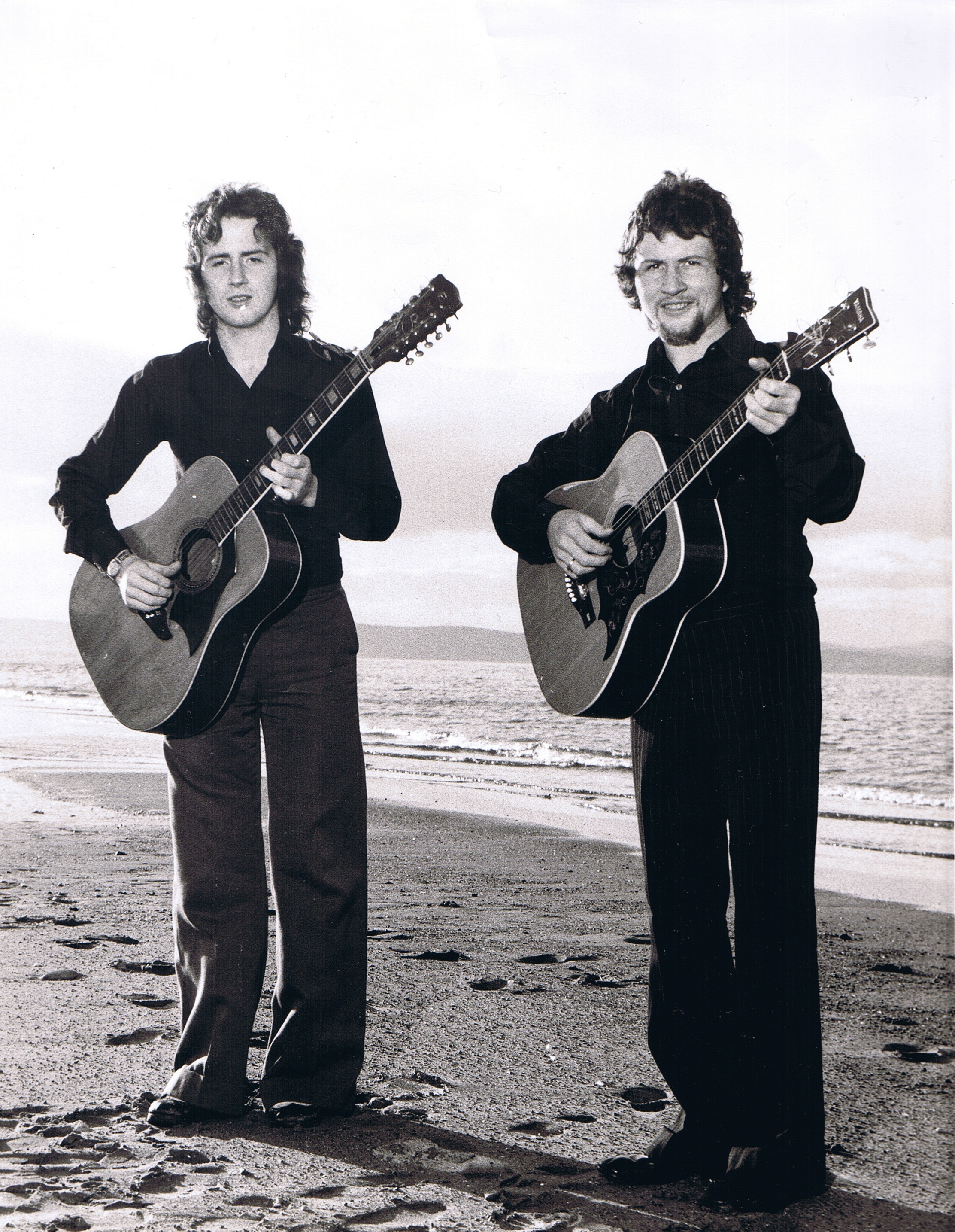
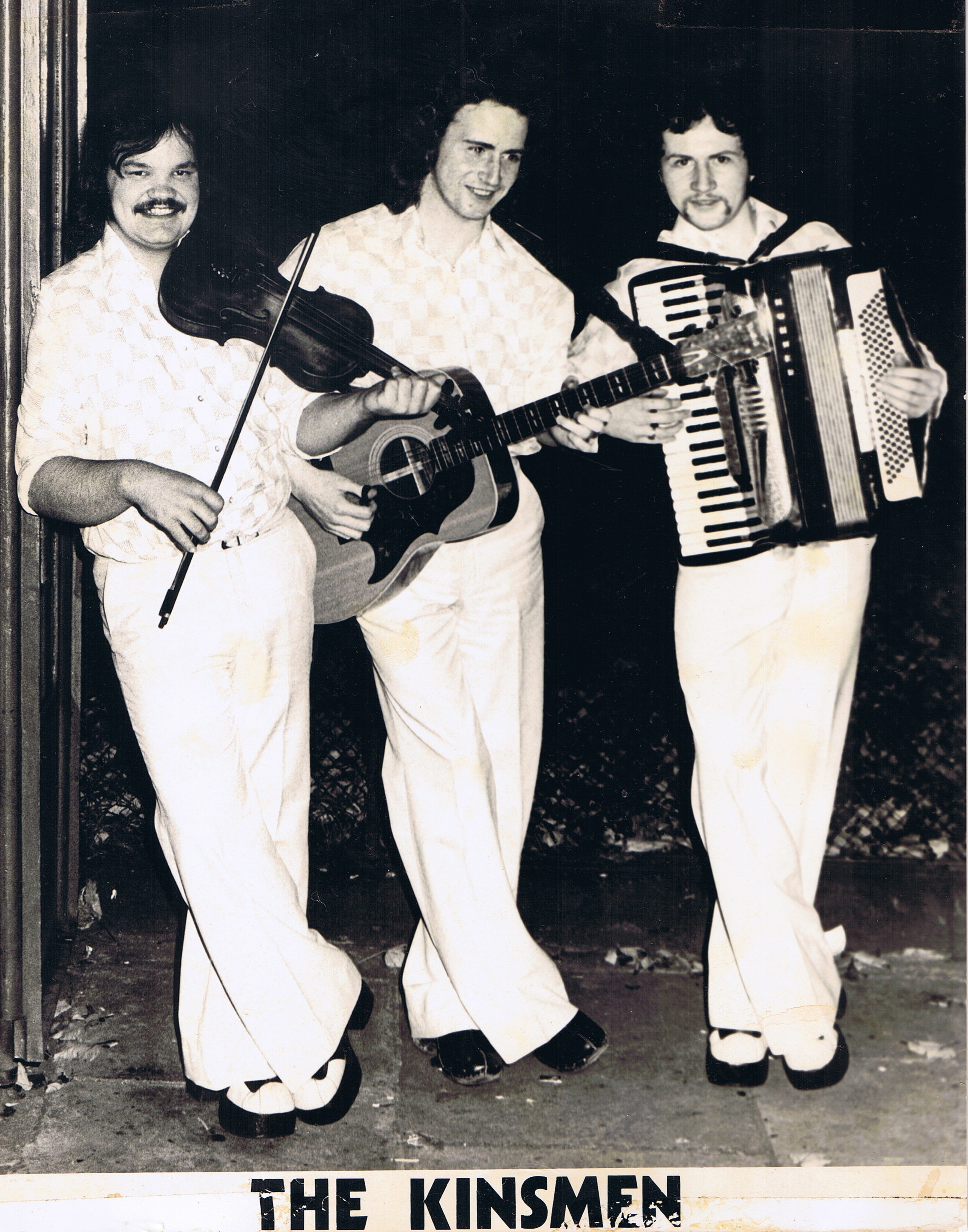
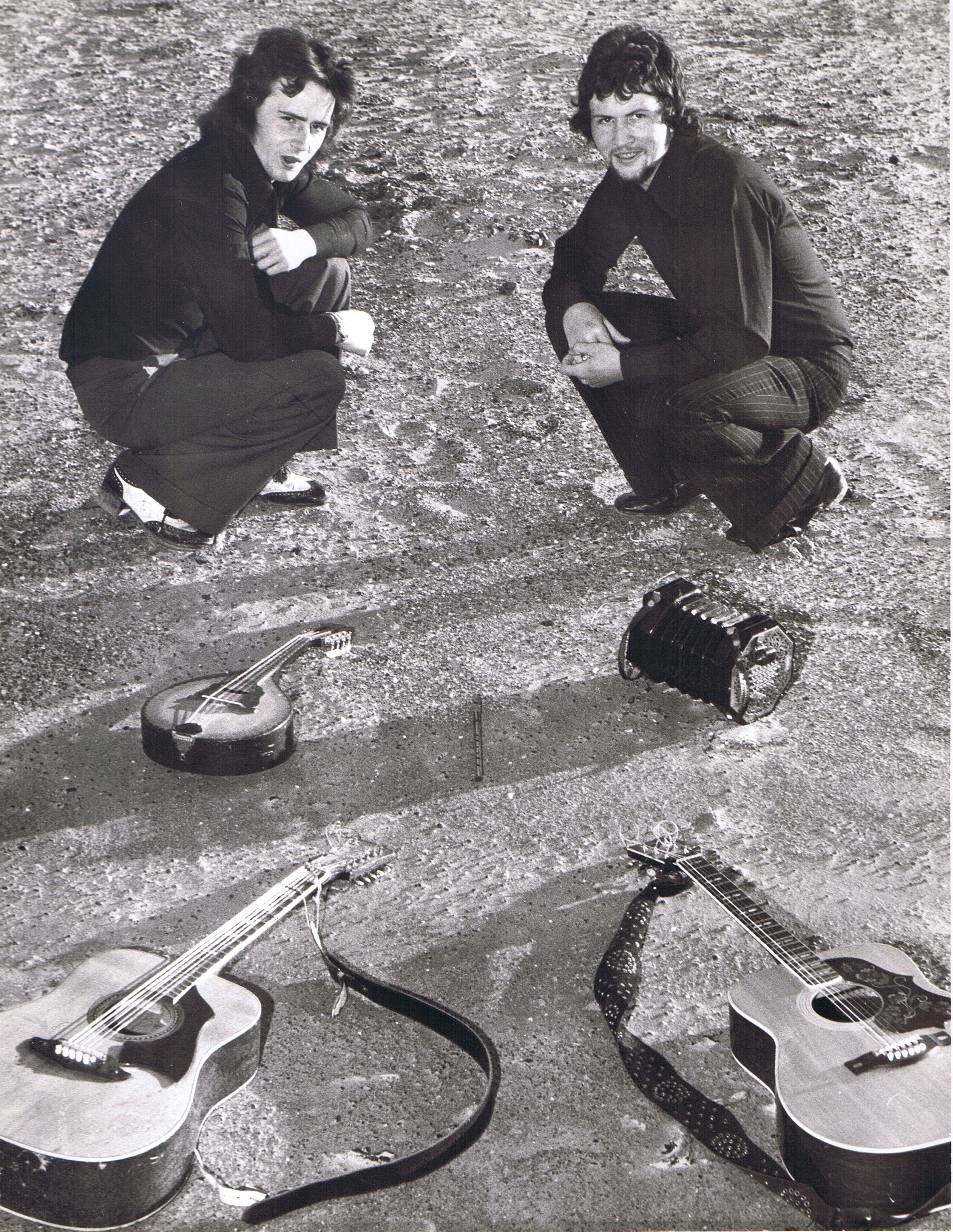
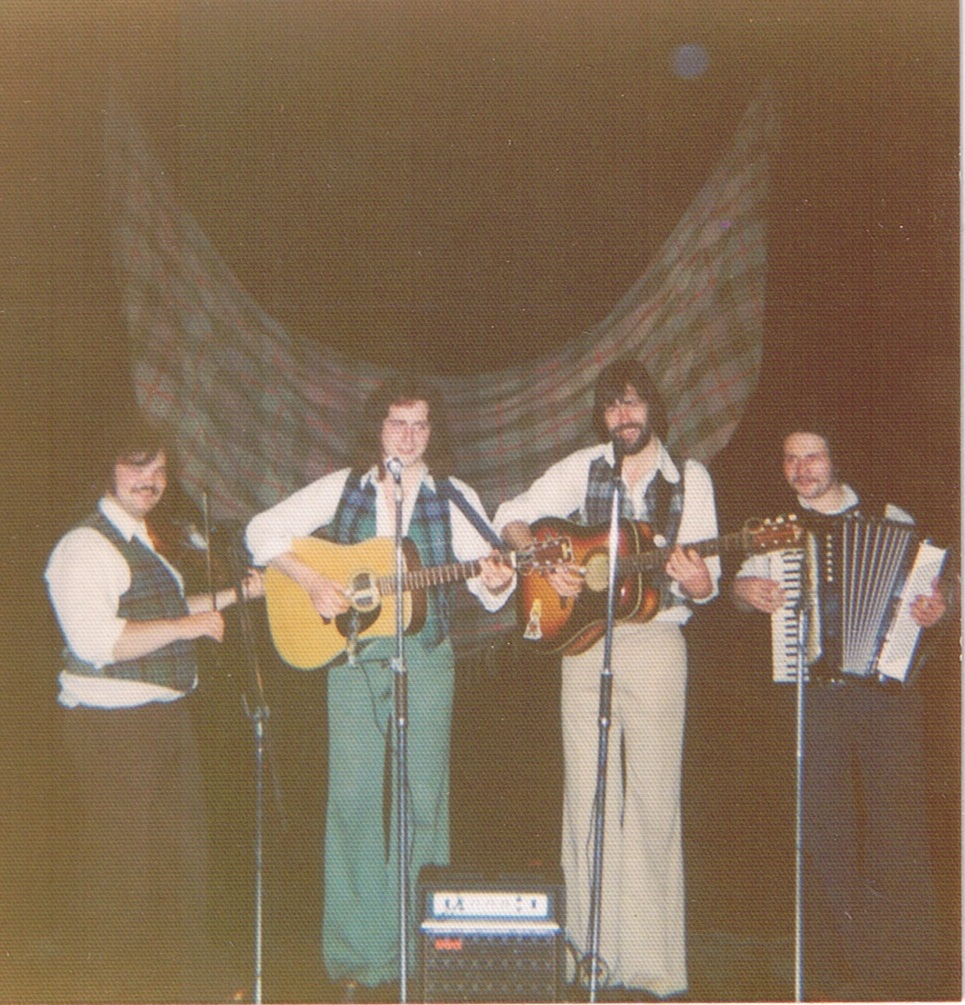
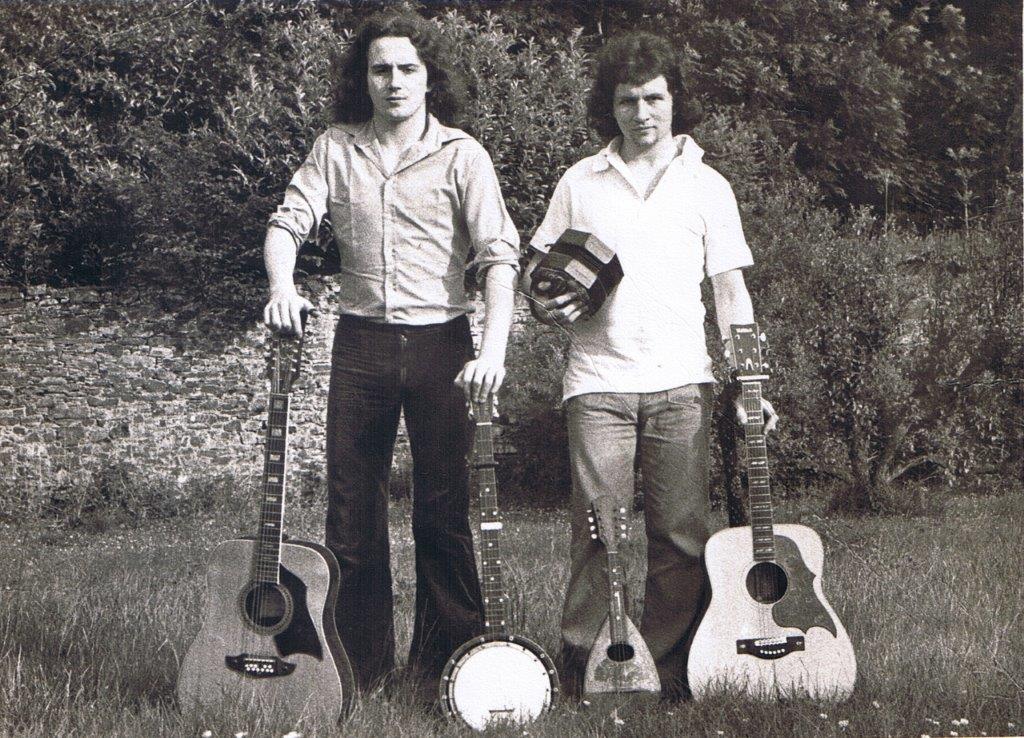
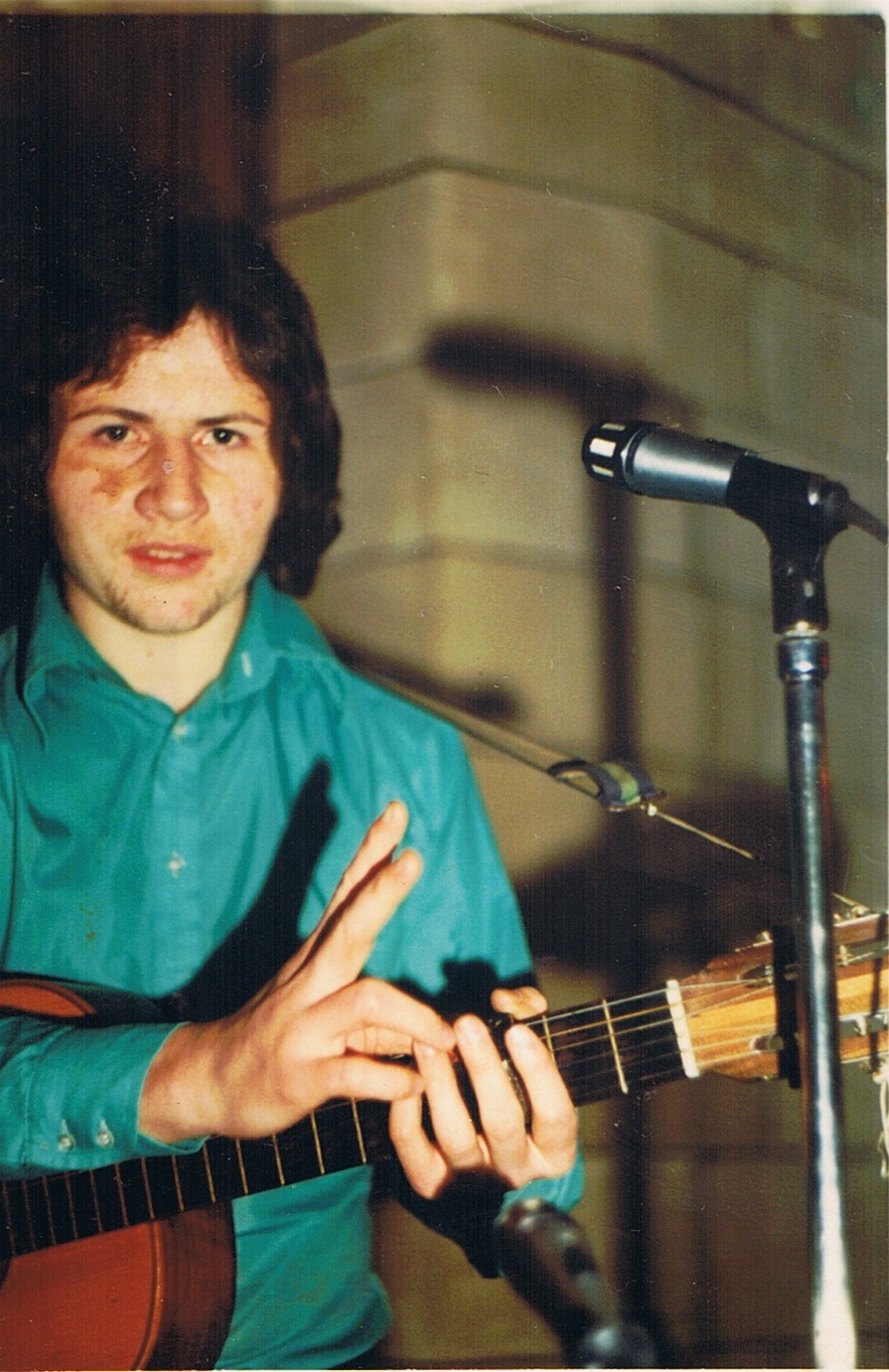
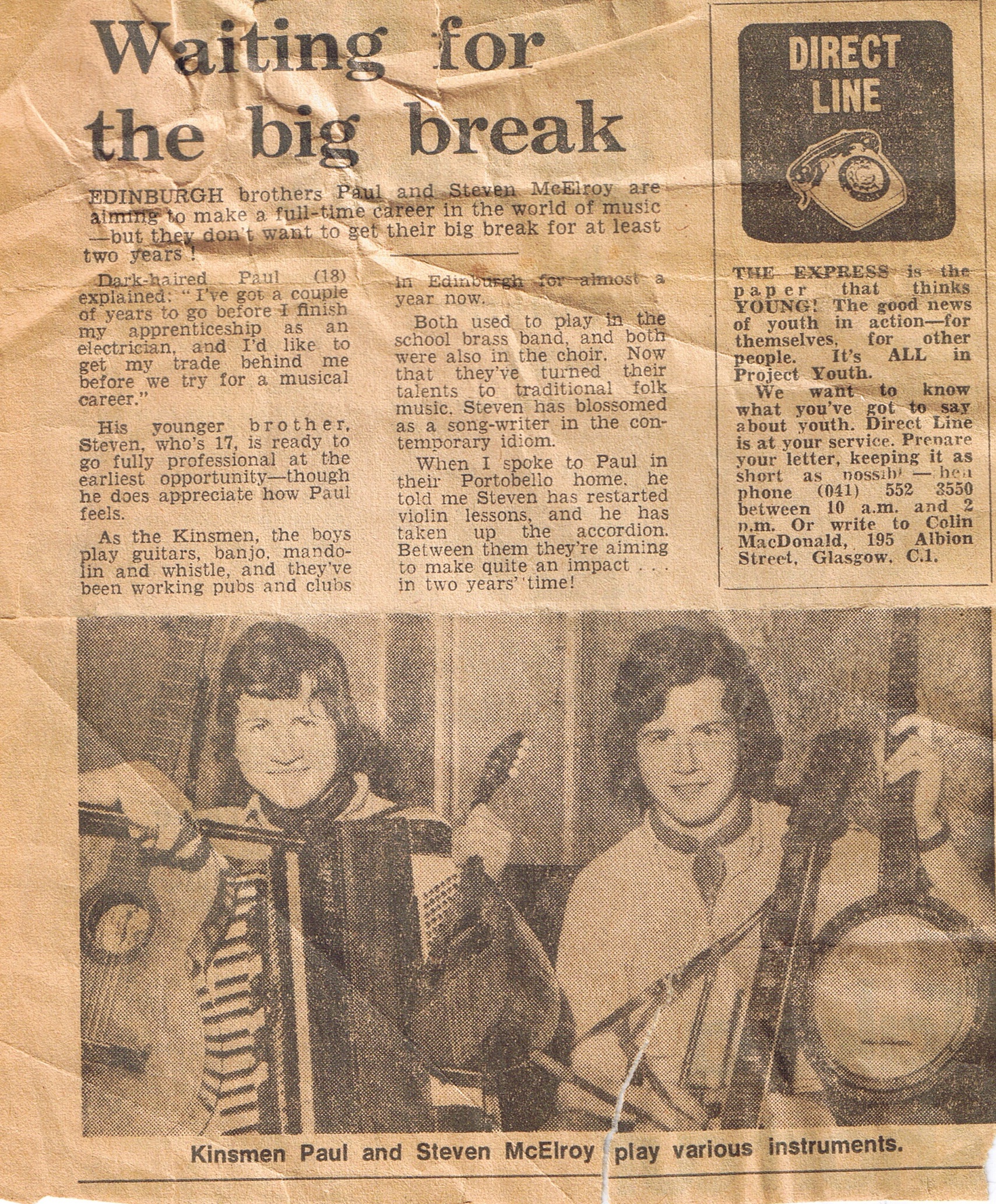
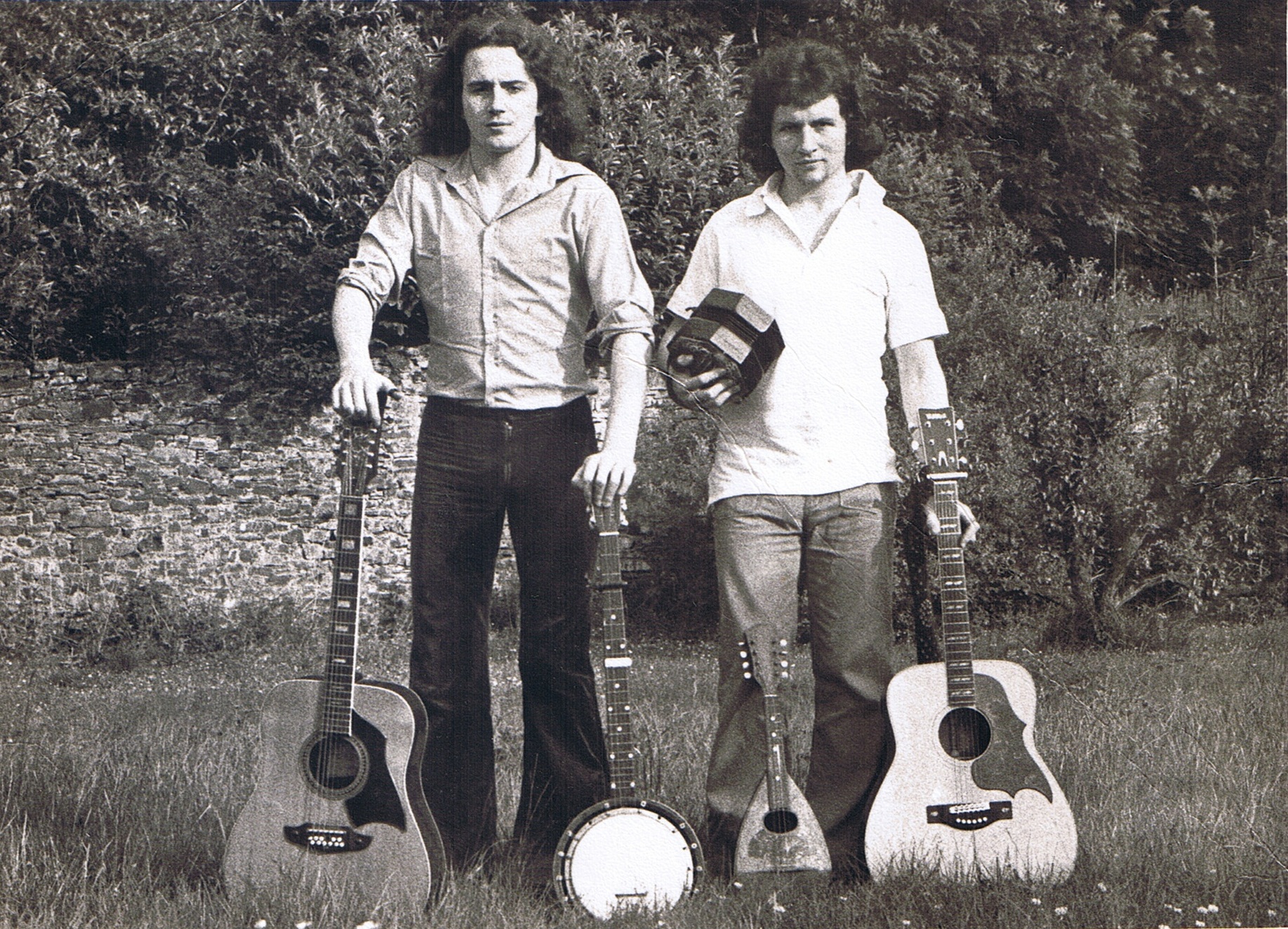
From around 1965 onwards, I picked up the guitar and Paul and I decided to form a folk band, called the Kinsmen. We performed at family gatherings, old-folks’ homes and folk clubs around Edinburgh for several years. We even had a brief airing on Radio Scotland during this early period.

Paul was the lead singer in those days and was not yet an instrumental musician – although he played the penny whistle in the band and the trumpet in the school brass band at this time.

Paul was always shy and suffered from really bad nerves every time we went on stage. He had a very nervous disposition from an early age: I clearly remember as a child at home, when it was Paul’s turn to pass round cups of tea to the rest of the family (we used cups and saucers back then) that the saucers shared equally in the distribution of the tea by the time he got the crockery from the kitchen to the living room. As James Bond would say: it was shaken, not stirred.

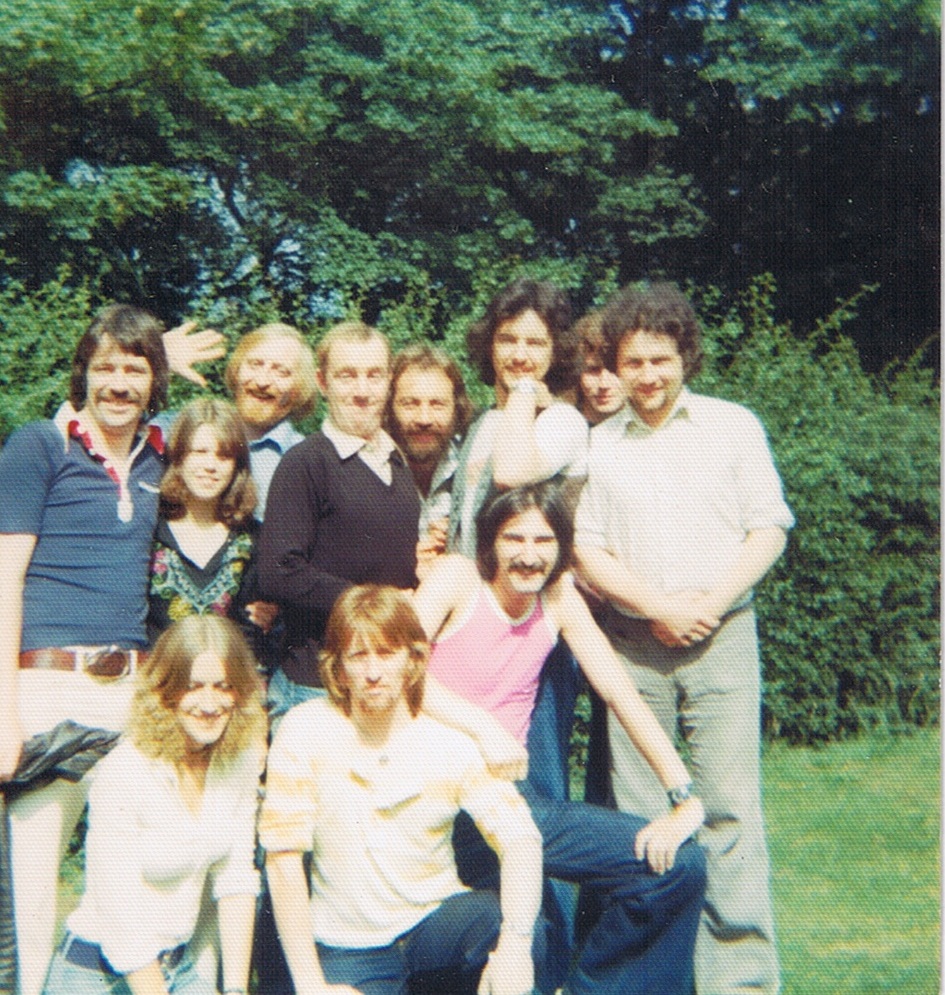
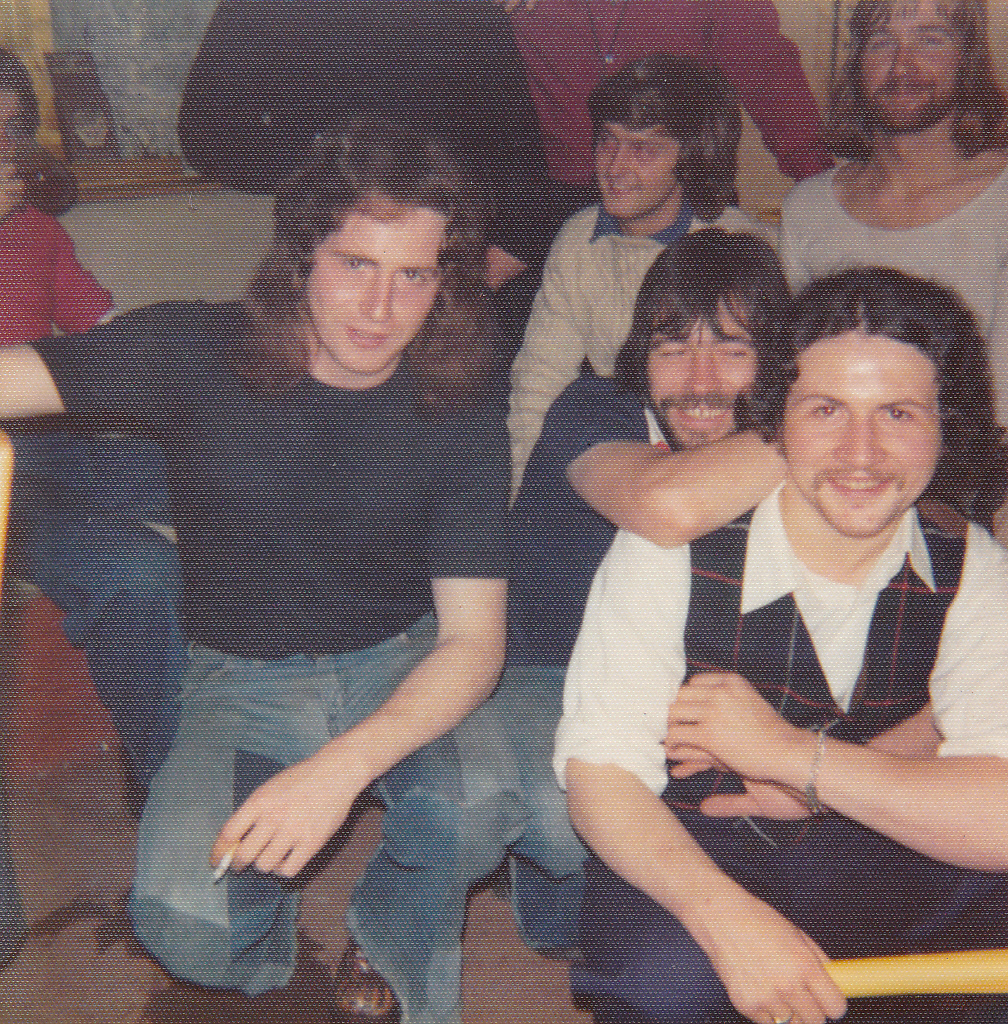
By the time we reached our mid teens, our folk-singing gravitated to performing professionally in pubs, social clubs and folk concerts; we also started to make a bit of a name for ourselves on the folk circuit, which was enjoying a healthy revival at the time. When Paul was around 18, Billy Cranston (a local boy, now sadly gone as well) joined the Kinsmen as a fiddler and mandolin player and a year or two later, Harry Cullen (a weel-kent face on the Edinburgh folk scene) joined us as the lead singer and front man of the band.

No doubt, because of his shyness and nerves, Paul didn’t like being the centre of attention or to be in the limelight. He was more than happy to contribute to the sound of the band, rather than take a lead singing role. He also had a love of musical instruments and for both these reasons, Paul concentrated more and more on playing instruments, as the band developed and expanded.

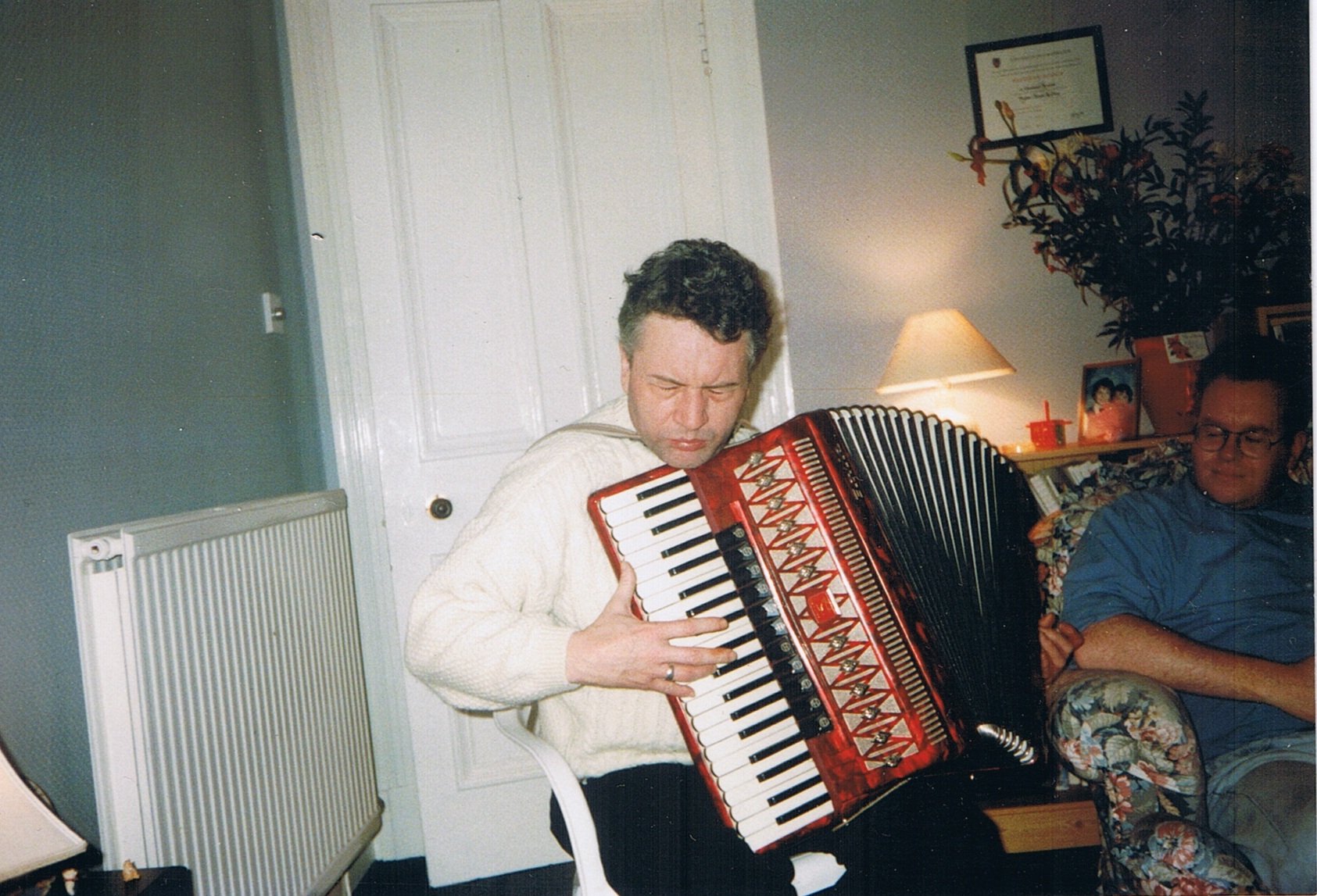
At his peak, Paul played a wide selection of instruments – all competently. These included:

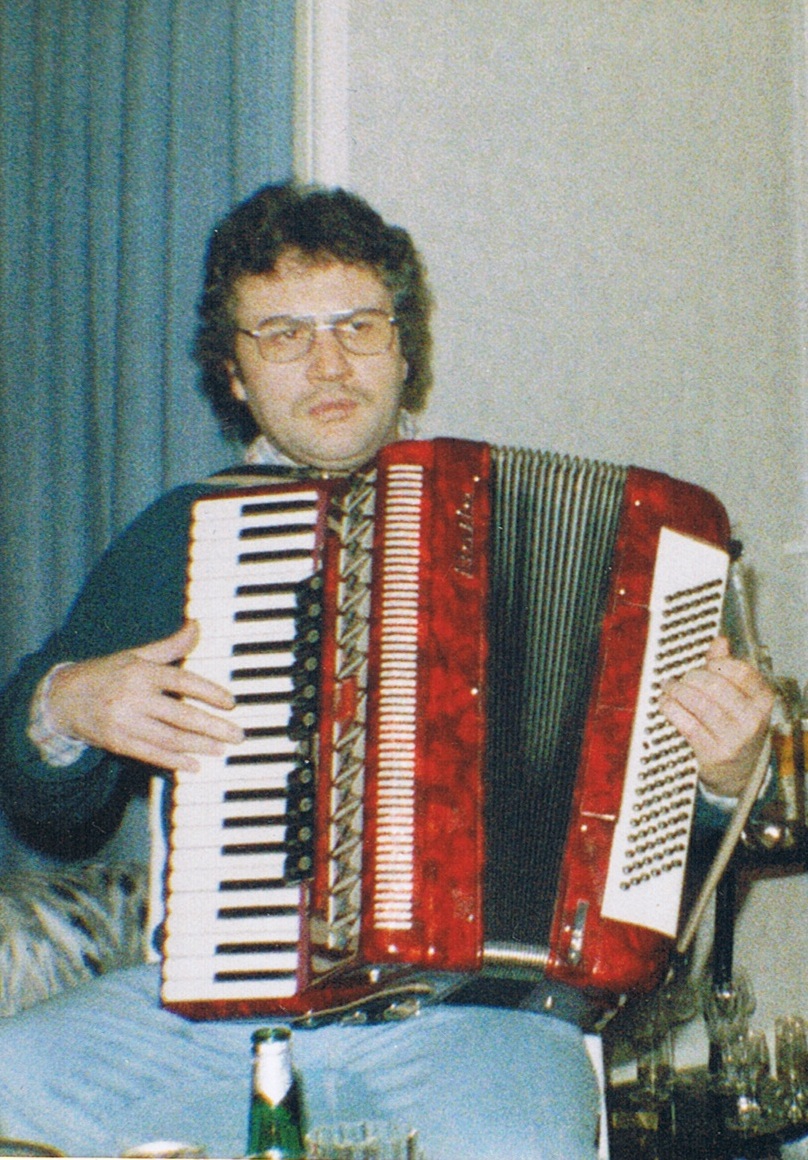
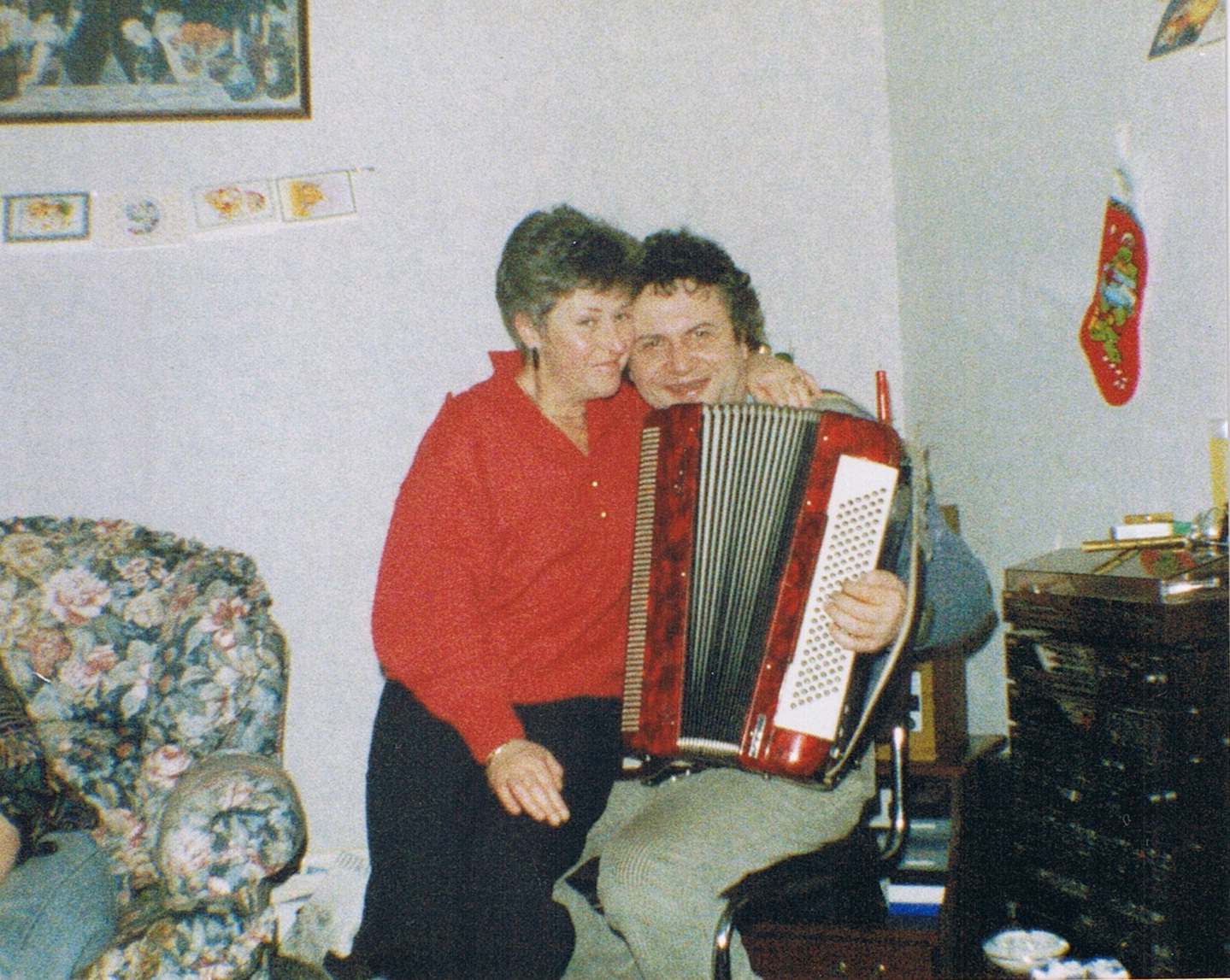
I remember that we counted up to sixteen instruments at one time which Paul played, but his instrumental dexterity was best exemplified when he played the Accordion and Concertina.

You should also know that Paul was the main bread-winner and chief money-lender in the band. Unlike the rest of the band back then, Paul worked for a living as an electrician.

He would lend the rest of us money between gigs and make sure he got it back, as soon as we received our playing fees – many-a-time I remember as we were paid for a gig, Paul would immediately put his Shylock hat on and dock his loan off the fees - leaving us poor and miserable and looking enviously at his big fat, bulging wallet.

He was, of course, also a generous man – but he knew the value of money, back then. In truth, he was very much a man of means in those days as he drove around town in his souped-up sports coupe with his Ben Sherman Shirt Collar flicked up and strutting around in his high-heeled boots and flairs.

Paul had an uncanny knack of coming out with a brilliantly funny turn of phrase that would have you roaring in laughter, without realising himself, what the joke was.

For example, there was one instance when Paul had just finished an electrical contract and was looking for work. He opened up the Yellow Pages, picked out Maxim Alarms and said he was going to phone them for a job.

A day or so later Paul announced that he was starting work with Maxim’s the following week as a burglar-alarm installer.

We asked him how he got the job so quick. He told us that he phoned up and asked if they needed any vacancies.

The employer told Paul that he had to ask him in for an interview to find out who the guy was that could ask such a question with a straight face.

Many of his family and friends will know the following story but it is always worth repeating:

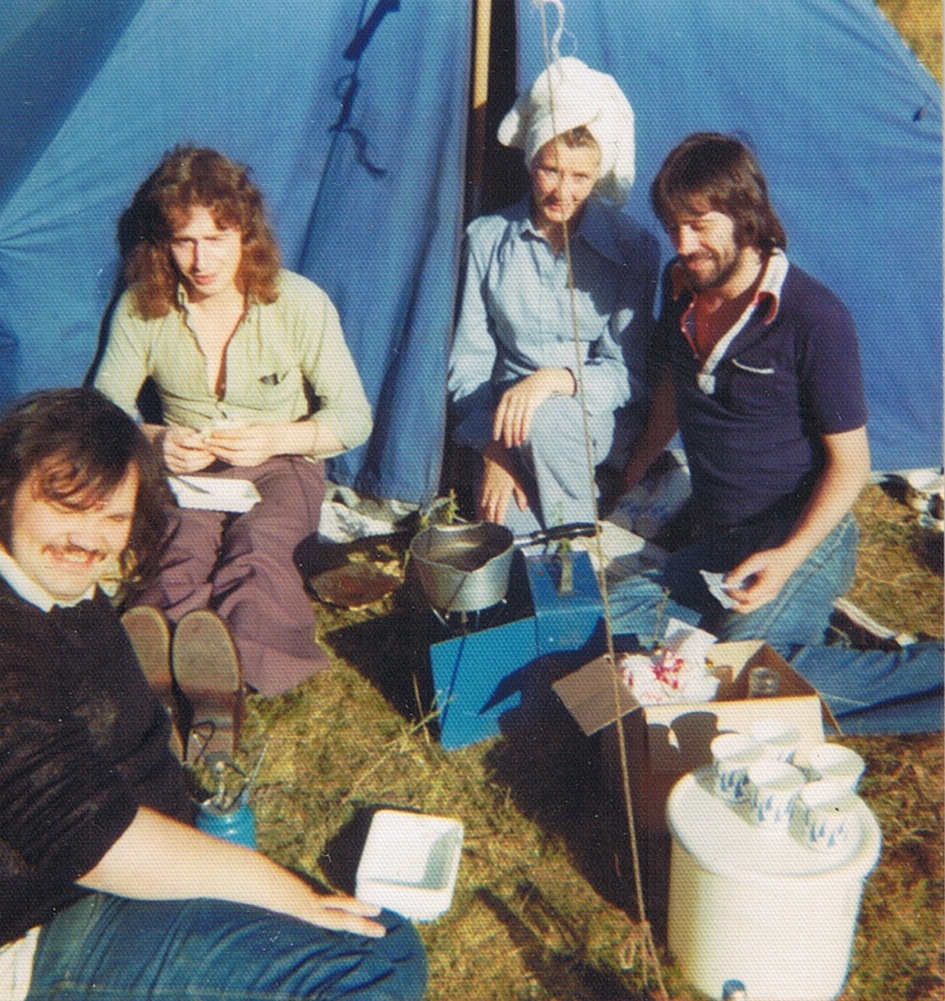
In the mid-1970’s, The Kinsmen performed cabaret spots quite regularly at the Treetops Hotel in Aberdeen. We were staying at the hotel for two weeks and all our expenses – drink, food accommodation – were included free, as part the contract.

To be honest, we lived like Kings and most mornings we would come swanking down to the residents’ lounge and loll about in our jeans and T-shirts, pretending to be laid-back rock-stars. All of us, except Paul that is, who never held such grand notions or delusions.

On one occasion, during the Christmas festive period, the Restaurant Manager came over to us and asked if we would like to have the Christmas lunch.

Harry, Billy and I all responded with our nonchalant rock-star air and said: yes, thank you, that would be very nice. Paul however, looked straight at the guy and asked him to tell him exactly what was in the Christmas lunch.

The manager dutifully replied: melon, soup, turkey, Christmas pudding and coffee. Paul looked at him querulously and asked him politely if he could repeat it. The manager raised an eyebrow than slowly repeated the menu items for Paul: melon, soup, turkey, Christmas pudding and coffee.

Paul’s response was: “Well …, I’ll have the turkey, the Christmas pudding and the coffee, but I dinnae fancy melon soup”.

There wasn’t a dry eye amongst us – everyone – including the Restaurant Manager - was heading for the floor in tears and fist of laughter, clutching our stomachs for relief. It was pure genius.

I have never witnessed such a spontaneous belly laugh before, or since - and I am never likely to.

And this brings me to the end of this story and my salute to Paul. Hopefully, I have given you some additional insight into his character, his many talents, his boyish charms and also what made him tick in those early years.

It is important for all of us to remember that Paul’s life was full of many wonderful achievements and joys – nowhere near as many as he deserved; but achievements nevertheless, which can never be diminished.

He was a wonderful, loving man and we pray that he is now at peace and has reached his own Nirvana.

Paul - a Eulogy (Kevin:2008)

Stevie has talked about Paul when he was younger and highlighted some of the characteristics that made him the very special and enormously popular person he was.

Music was a huge part of his life. He was extremely gifted and had an uncanny ability to make the hair on the back of your neck stand up on end, particularly when he sang my two favourites: “Sweet Sixteen” & “Ghost Riders in the Sky”.

But I’m going to talk more about Paul’s later years when he got pleasure from listening to music rather than playing it; and when he got great pleasure from the other love in his life – people.

Paul lived with Mum and Maureen for years before being fit enough mentally to move into his own flat in Adelphi Grove around 8 years before he died.

Both Maureen and Mum continued to look out for him at Adelphi for the first three years until Maureen was tragically killed on that horrible day in May.

Like us all, Paul was devastated by the loss of Maureen and struggled to come to terms with life without her.

However, he tapped into his admirable inner strength and found a way to cope; carrying on with the “here and now” lifestyle he had adopted; entertaining people in his flat around the clock.

He held council over the regular alcohol-fuelled philosophical discussions, debates & disagreements that took place around the table in his front room.

Vodka, tobacco, music & people were all the ingredients that Paul needed to entertain and mesmerise others with his unforgettable memory, vivid imagination and quick wit.

When he ran out of supplies of vodka he would venture out of the flat, and travel as far as the Galleon bar for in his words “a wee swally on the chucky” But make no mistake, Paul was addicted to people and music as much as he was addicted to vodka & tobacco.

He had a huge collection of CDS and enjoyed listening to the radio - and he loved being with people, exchanging stories and sharing laughs. He often joked about the mental illness that had tortured him for many years by saying to people “don’t worry about me; you’re never alone with schizophrenia”.

Paul’s lifestyle and his placid nature made him vulnerable to “would be” dodgy characters that wouldn’t think twice about taking advantage of his charitable disposition. Although it wasn’t difficult to spot these characters because Paul had this unique ability to make a connection with almost everyone he met – and if he didn’t make a connection with someone, then you could be pretty sure they were bad news and probably shouldn’t be trusted.

Paul would literally give you the shirt off his back. He provided food, clothing, and shelter to almost anyone who asked for it - even when he was poorly himself and in need of rest, he gave up his own bed to people who were a lot fitter and healthier than him.

He was always giving away any material possessions he had – especially if he thought doing so would give pleasure to others. In the end he had given away almost everything he had except for his collection of Red Indian figurines that he had collected over the years. He had a strong affinity with the Red Indian culture and plight, and took comfort from some of the similarities between their spirituality and beliefs and his own.

That’s why he’s taking a dream catcher to his final resting place today, in the hope the dream catcher does its job for Paul wherever his spirit is now and in the future.

Inevitably, Paul’s lifestyle started to catch up with him. His mobility was affected, and he was in and out of hospital for various alcohol related conditions over the past few years.

But even when he was in hospital, he maintained his endearing innocence and wicked sense of humour.

While trying to diagnose what was wrong with him, one of the doctors at the hospital asked him if he was suffering from any confusion. Quick as a flash Paul replied: “not any more than normal”.

On another occasion, a doctor had told him to drink lots of fluid. Paul replied “I wish you would make up your mind, the other doctor told me I wasn’t allowed to drink anymore”.

Paul left Adelphi and went back to West bank a couple of years ago, where his devoted mammy selflessly and loyally cared for him until his health deteriorated to the extent where it was impossible for her to cope physically with the level of care he needed.

So, Paul moved to Drummond Grange care home in Lasswade last September, where he was well cared for and lived happily for the last year of his life.

He was still smoking his cigarettes, listening to music, and drinking his beloved vodka there too. In fact, shortly after moving there, he was up to his old tricks, entertaining one of the other residents in his room one night, and getting her so drunk, that she smashed her electric wheelchair into her TV when she returned to her own room.

We’re all going to miss Paul’s simple yet insightful views on life. His ability to laugh out loud at his own jokes when no one else was quite sure what was so funny. Although I’m pretty sure that whacky baccy probably had something to do with that on more than one occasion.

We’re also going to miss simple things that we took for granted like his toothless smile and some of the words he used regularly like: mañana, slainte and braw.

Another word that Paul used often is “thanks”. He was always very appreciative to the people who cared for him and took time to visit him.

He regularly called Mum from Drummond Grange to thank her for caring for him, and to make sure she was ok.

Paul was non-judgemental, and accepted people for who they were, and he always saw some good in everyone. Although he did want the world to be a better place than it was. These and other traits are why Paul was loved and admired by the vast majority of people who met him.

Sadly, Paul was taken into hospital for the final time; and as always, he showed remarkable resilience in battling odds that were increasingly stacking against him.

He was in and out of comas during that time, and eventually his body was failing to the extent that he was struggling to speak in his last few days. The voice and the person that had brought so much pleasure to so many people was slowly fading away.

But his spirit and mind were still there right up until the very end.

He managed to tell us that he had decided to stop drinking vodka, and that he would drink only juice when he got out of hospital.

He didn’t manage that, but he did manage to give the thumbs up sign to indicate that he was ok. And when he was able, he would hold out his hand to greet and thank people who came to visit him in hospital, forever grateful.

And just two days before he eventually lost his bravely fought battle for life he managed to say something that I’ll never forget, because for me it sums up the kind of person he was.

He said: “Tell mum I love her, and I’m sorry for losing my voice”.

Immortal words, from a beautiful mind, that will never be forgotten.